Charred Axle Origins
PROBLEMS TO SOLVE
My love of tabletop games started at the age of 11 and this is where I ran into my first problem – cash – or to be more exact, the lack of it. My familiy couldn't really afford to buy me what was needed to have a full army, so I would play small skirmish games with what models I had.
This brings me to my second problem – opponents – or to be more exact, the lack of them. I lived in a small town where this niche hobby of ours wasn't very popular; sports and petty crime were much more of the in thing. My family occasionally tried to encourage my hobby but they seldom had several hours to spare in general, let alone to set it aside for a game. Though I would find others that shared my hobby in the local game store of a particular well-known brand. It was great, learning and laughing, experiencing cinematic plays on the tabletop with great people. Though it was rare I got to play a full game more than once a fortnight, if that.
The final problem was time. This problem, unlike the others, persists even today. If I had little time when I was a child, I have even less time as an adult and can fully appreciate how hard it was for my family to try and play with me. Often tabletop games have complex rules that require time to learn. They have dozens of models which need assembling and then to be painted. Then to play a game takes several hours, especially large scale battles.
A NEW GAME
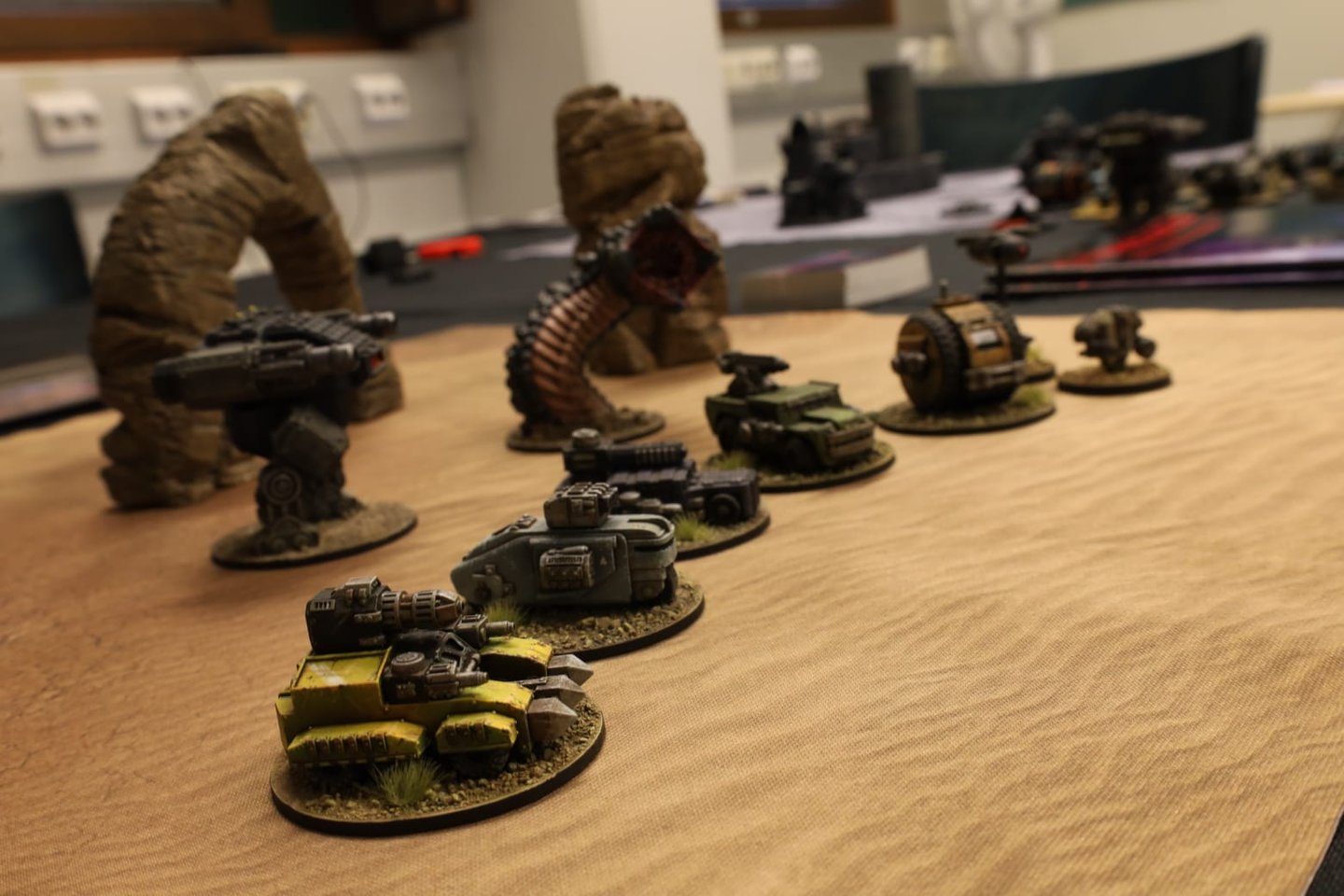
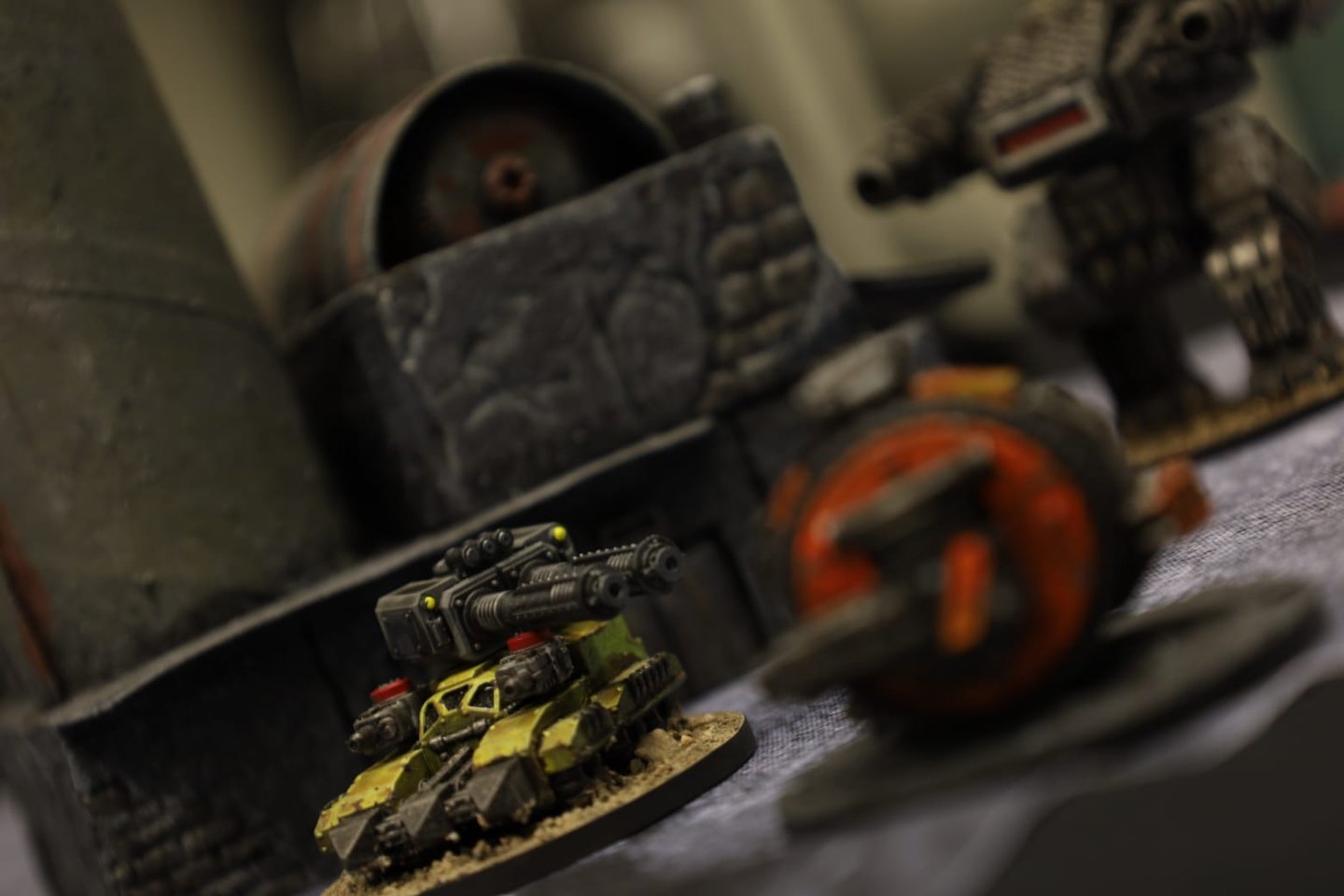
Charred Axle started out as a home-brew, vehicle only racing game using the rules from the Warhammer 30k world; but as I poured hours into the rules inspiration would keep showing up in the form of weapons, cool equipment and, most importantly - to me at least - story. So I threw away all the work I had done with the rules from the Warhammer game and jumped head first into making a brand new game.
I had three design anchors that I promised to stick to without compromise, so that the problems I encountered as a child would not get in the way of anyone wanting to play this game.
1. Simple fundamental rules, so that the game was very accessible to most people.
2. Cheap. I wanted to make something that anyone could play with the smallest of financial investment. Playing, no matter what form it comes, is such an important part of life, and if we can play with the people closest to us, even better.
3. Fast. I imagine kids rushing home from school, excited to put their miniatures on the table top and being able to play a few games with their friends or family before the day is over.
I hope that I achieved these design goals and I hope people will get plenty of exciting experiences from playing it.